
Understanding the psychology behind gambling behavior
The Allure of Gambling
Gambling has captivated humans for centuries, rooted in a blend of excitement, risk, and potential reward. The thrill of winning and the possibility of instant wealth can create a compelling draw for many individuals. This excitement taps into the psychological phenomenon known as “variable reinforcement,” where unpredictable rewards can lead to increased motivation and engagement. When exploring the multitude of options, visiting Aztec Paradise Casino can offer a thrilling experience as players engage with various games. The unpredictability of outcomes in games of chance can heighten emotional responses, making the experience more enticing.
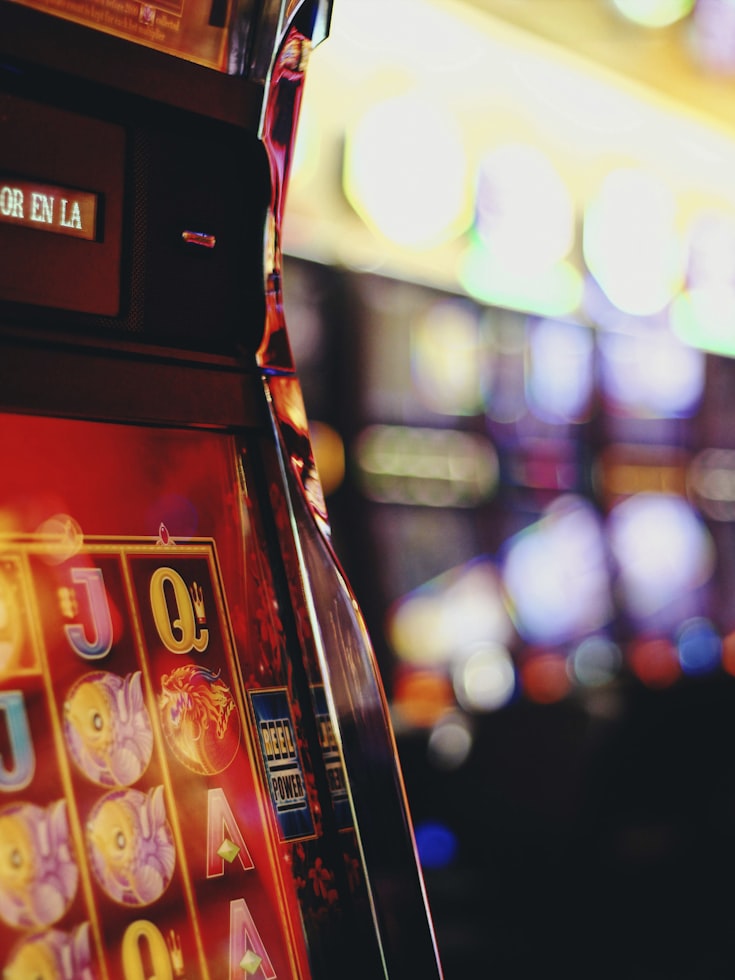
Furthermore, the environment in which gambling takes place plays a significant role in influencing behavior. Casinos are designed to be sensory-rich environments filled with bright lights, sounds of winnings, and encouraging visuals. This carefully crafted atmosphere reinforces positive emotions, making players more likely to engage in prolonged gambling sessions. The combination of these factors creates a compelling psychological cocktail that can lead many to gamble more than they initially intended.
The emotional highs and lows that accompany gambling—such as the thrill of a near-win or the disappointment of a loss—also play a crucial role in shaping gambling behavior. Individuals often seek out these emotional experiences as a form of escapism or entertainment, leading to repeated engagement. Understanding these psychological triggers is vital in comprehending why gambling can become a compulsive behavior for some individuals.
The Role of Cognitive Biases
Cognitive biases significantly influence gambling behavior, often leading players to make irrational decisions. One prevalent bias is the “illusion of control,” where gamblers believe they can influence the outcome of games based on their skills or strategies, even in games of pure chance like slots or roulette. This misguided belief can lead to overconfidence and increased gambling activity, as individuals may feel empowered to wager larger sums or play more frequently.
Another common cognitive bias is the “gambler’s fallacy,” where players mistakenly believe that past events can influence future outcomes. For instance, if a particular number hasn’t come up in roulette for a while, a player might feel it is “due” to appear. This can lead to placing bets based on flawed reasoning and ultimately result in more significant financial losses. Recognizing these cognitive distortions is vital for individuals looking to understand their gambling habits and make more informed choices.
The impact of cognitive biases extends beyond individual players; they also shape the overall culture around gambling. Marketing strategies often exploit these biases, promoting narratives that emphasize winning and success stories while downplaying the odds and risks involved. This can create a deceptive perception of gambling as a viable way to achieve financial success, further encouraging engagement and potentially leading to problematic gambling behavior.
The Emotional Connection to Gambling
The emotional aspect of gambling cannot be understated; it serves as a powerful motivator for individuals to engage repeatedly. Many gamblers report feelings of exhilaration and happiness when winning, while losses may bring about feelings of frustration or disappointment. These emotional swings can create a cycle that keeps players returning for more, seeking to recapture the high of previous wins or to redeem losses.
Moreover, gambling can serve as a social activity, where individuals bond over shared experiences in casinos or online platforms. This social connection can enhance the emotional experience, as camaraderie and competition fuel engagement. The sense of belonging and shared excitement can be significant drivers for repeat gambling behavior, as players associate positive emotions with their gaming experiences.
Additionally, the rush of adrenaline associated with taking risks can become addictive. This phenomenon often leads individuals to seek out gambling as a primary source of excitement in their lives, overshadowing other activities. The combination of emotional highs, social bonding, and adrenaline can create a compelling reason for individuals to continue gambling, even in the face of adverse consequences.
The Impact of Personal Factors
Personal factors, including an individual’s background and mental health, significantly impact gambling behavior. People who experience stress, anxiety, or depression may turn to gambling as a coping mechanism, seeking temporary relief from their emotional struggles. This can lead to a reliance on gambling to alleviate negative feelings, creating a dangerous cycle that is hard to escape.
Additionally, environmental factors, such as exposure to gambling at a young age or having family members who gamble, can influence one’s relationship with gambling. Those who grow up in gambling-friendly environments may develop a more favorable view of gambling, leading to increased participation as adults. Such early exposure can normalize gambling behavior and increase the likelihood of developing problematic habits.
Financial stability or lack thereof also plays a critical role. Individuals in precarious financial situations may gamble in hopes of achieving a quick financial turnaround, believing that winning can resolve their monetary issues. This desperate mindset can further entrench harmful gambling behavior, as individuals risk more than they can afford in pursuit of an illusory solution to their problems.
Exploring Aztec Paradise Casino
Aztec Paradise Casino stands out as a premier online gaming destination, appealing to players in the UK with its vast array of gaming options. With over 8,000 games available, including slots, table games, and live dealer experiences, the casino aims to cater to diverse tastes and preferences. This extensive selection ensures that players can find games that resonate with their interests, enhancing their overall gaming experience.
The casino not only focuses on variety but also offers enticing promotions, such as a welcome bonus of up to £5,000 and 100 free spins. This strategy appeals to new users, enticing them to explore the platform and engage with the available games. By providing such generous incentives, Aztec Paradise Casino taps into the psychological allure of gambling, encouraging players to take the plunge and try their luck.
Moreover, the platform prioritizes secure and efficient transactions, accommodating various payment methods, including cryptocurrency. This commitment to player safety and satisfaction, combined with a rewarding VIP program that offers exclusive bonuses and cashback, reflects the casino’s dedication to enhancing the overall gaming experience. In doing so, Aztec Paradise Casino not only attracts new players but also fosters loyalty among existing ones, creating a thriving gaming community.