
The evolution of casinos tracing the history from ancient gaming to modern entertainment
The Origins of Gaming
The history of gambling can be traced back to ancient civilizations, where games of chance played a significant role in social and cultural activities. Archaeological findings suggest that dice, made from animal bones, were used in ancient China as early as 2000 BC. These early forms of gaming were not merely for entertainment; they often held spiritual significance and were tied to rituals and community bonding. Today’s gaming landscape is enriched by platforms like crn7, which offer modern experiences that draw from these historical roots.

Similarly, in ancient Rome, gambling was prevalent among both the elite and common citizens. Events like chariot races and gladiatorial combats included betting, reflecting the Romans’ fascination with luck and chance. These early forms of gambling set the stage for the development of more structured gaming establishments, eventually leading to the birth of casinos.
The Rise of Formal Gambling Houses
The concept of dedicated gaming establishments gained popularity in the 17th century, particularly in Italy. The first official casino, known as the Ridotto, opened in Venice in 1638, offering an organized environment for gamblers. This venue introduced various games, including card games and lotteries, catering to the elite’s desire for refined leisure activities.
As gambling houses became more widespread across Europe, regulations started to emerge. The establishment of rules aimed to protect players and regulate the industry laid the groundwork for the modern casino experience. The proliferation of these venues indicated not just a growing acceptance of gambling but also its potential for economic growth in the surrounding areas.
The American Influence on Casinos
The introduction of casinos in the United States was markedly different from their European counterparts. The first commercial casino in the U.S. opened in New Orleans in the early 19th century, reflecting the country’s diverse culture. The Gold Rush era brought a surge in gambling activities, with establishments flourishing in mining towns, where fortune seekers converged.
The establishment of Las Vegas in the mid-20th century marked a significant turning point. With the legalization of gambling in Nevada in 1931, Las Vegas transformed into the gambling capital of the world. Lavish resorts combined entertainment, dining, and gaming, attracting millions of visitors and solidifying casinos as a central aspect of American culture.
The Digital Revolution in Gaming
With the advent of the internet in the late 20th century, the gambling landscape underwent a revolutionary change. Online casinos emerged, allowing players to access their favorite games from the comfort of their homes. This shift not only broadened the audience for gambling but also introduced innovative gaming experiences that traditional casinos could not match.
The convenience of online gaming, coupled with technological advancements, such as mobile applications, has led to a surge in popularity. Players can now engage in real-time gaming, participate in live dealer games, and take advantage of attractive bonuses—all while enjoying a user-friendly interface. This evolution marks a significant departure from the traditional brick-and-mortar casino experience.
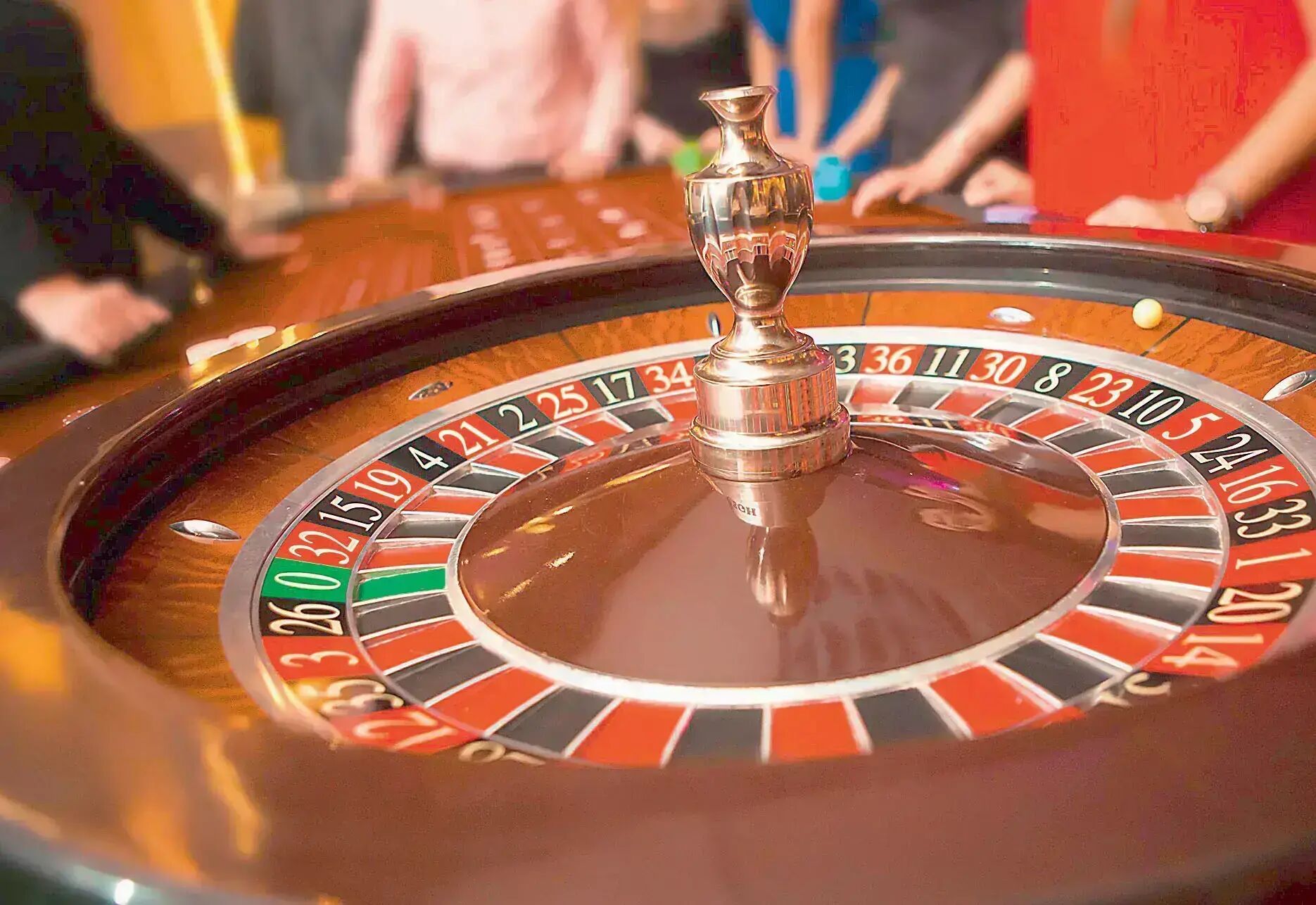
CRN7 Casino: A Modern Gaming Experience
CRN7 Casino represents the pinnacle of contemporary online gaming, catering specifically to Australian players. With a diverse selection of over 2,400 slot games and 180 table games, it reflects the evolution of gaming preferences in the digital age. The platform is designed for a seamless experience, ensuring quick payouts and secure banking options.
With a focus on customer satisfaction, CRN7 Casino offers 24/7 support and generous bonuses, allowing players to enjoy a comprehensive and rewarding gaming environment. As modern entertainment continues to evolve, CRN7 Casino stands as a testament to the dynamic nature of casinos, blending tradition with innovation to create a unique experience for all.